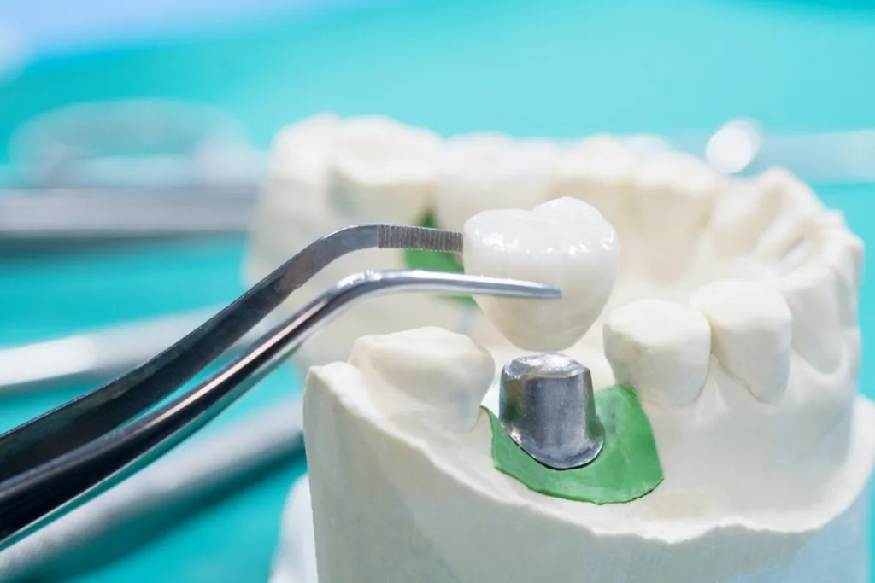
Maintaining a healthy smile is vital for both long-term functional chewing and personal confidence. When teeth suffer from extensive decay, structural fractures, large missing fillings, or severe wear, traditional composite fillings may no longer provide sufficient structural reinforcement. In these challenging circumstances, modern dental crown treatments offer a highly reliable and durable solution. A crown functions as a custom-designed cap that completely encases the compromised tooth above the gumline. This protective layer effectively restores the tooth’s natural shape, strength, and appearance, ensuring optimal oral health and preventing further internal deterioration or nerve exposure.
The Evolution of Dental Crown Technology
For many decades, obtaining a dental crown was a prolonged and uncomfortable process that required multiple appointments spaced weeks apart. Patients routinely had to endure messy, gag-inducing silicone impressions, wear unstable temporary plastic crowns that frequently dislodged, and wait patiently for an off-site laboratory to manufacture the final restoration.
Fortunately, modern digital dentistry has completely transformed this clinical journey. Forward-thinking dental clinics are improving patient experience using CEREC same-day crowns to eliminate the traditional waiting period entirely. Utilising advanced Computer-Aided Design and Computer-Aided Manufacturing (CAD/CAM) technology, clinicians can now take a highly accurate 3D digital scan of the patient’s mouth in seconds. The dentist then designs the bespoke crown on a high-definition screen right in front of the patient before sending the data to an in-house milling machine. Within a single clinical visit, patients receive a permanent, beautiful restoration, avoiding the inconvenience of multiple local anaesthetic injections and secondary appointments.
Aesthetic and Functional Benefits of Ceramic Crowns
Modern dental crowns are meticulously crafted to replicate the unique optical and physical properties of natural human tooth enamel. Contemporary dental practices and chairside milling systems use premium blocks of metal-free materials, such as zirconia and lithium disilicate, which provide exceptional structural strength alongside lifelike translucency.
-
Natural Appearance: The ceramic material can be custom-shaded and glazed to precisely match the unique colour, characterisation, and hue of your surrounding teeth, ensuring the final restoration blends seamlessly into your smile.
-
Biocompatibility: Advanced ceramics are completely biocompatible with human oral tissue, significantly minimising the risk of gum irritation, chronic inflammation, or allergic reactions often associated with older base-metal crowns.
-
Structural Integrity: These restorations are engineered to withstand the heavy biting forces required for daily chewing, effectively safeguarding weak, root-treated, or cracked teeth from splitting apart under pressure.
Long-Term Care for Dental Restorations
Investing in a high-quality dental crown requires a continuous commitment to consistent oral hygiene to ensure its long-term survival. While the ceramic material itself cannot decay, the natural tooth structure underneath remains highly vulnerable to bacterial plaque accumulation at the vulnerable margins where the crown meets the gumline.
Read More: Pediatric Eye Care: Common Vision Problems in Children Every Parent Should Know
Daily brushing with a soft-bristled toothbrush and regular flossing around the base of the crown are critical preventative steps. Additionally, attending routine dental check-ups and professional cleans allows your practitioner to closely monitor the margins of the crown using digital x-rays, ensuring the surrounding gum tissue remains perfectly healthy. For individuals who suffer from nocturnal teeth grinding or clenching (bruxism), wearing a custom-fitted nightguard is highly recommended to protect both natural teeth and ceramic restorations from excessive structural stress and micro-fractures.
Embracing Conservative Dental Approaches
The ultimate goal of contemporary oral healthcare across Australia is to preserve as much natural tooth structure as possible during restorative procedures. Traditional crown preparation methods often demanded the aggressive and extensive removal of healthy enamel to accommodate thick, dark metal-fused materials. In sharp contrast, modern digital fabrication methods allow for highly precise, conservative adjustments that respect the natural tooth anatomy.
By utilising precise digital scanning and durable ceramic bonding techniques, practitioners can focus on supporting minimally invasive philosophy in everyday dental care. This sophisticated approach ensures that only the structurally compromised, damaged, or decayed portions of the tooth are carefully removed, leaving the healthy foundations completely intact. Consequently, patients benefit from stronger overall tooth architecture, reduced post-operative sensitivity, and an optimal long-term prognosis for their natural smiles.




Leave a Reply
You must be logged in to post a comment.