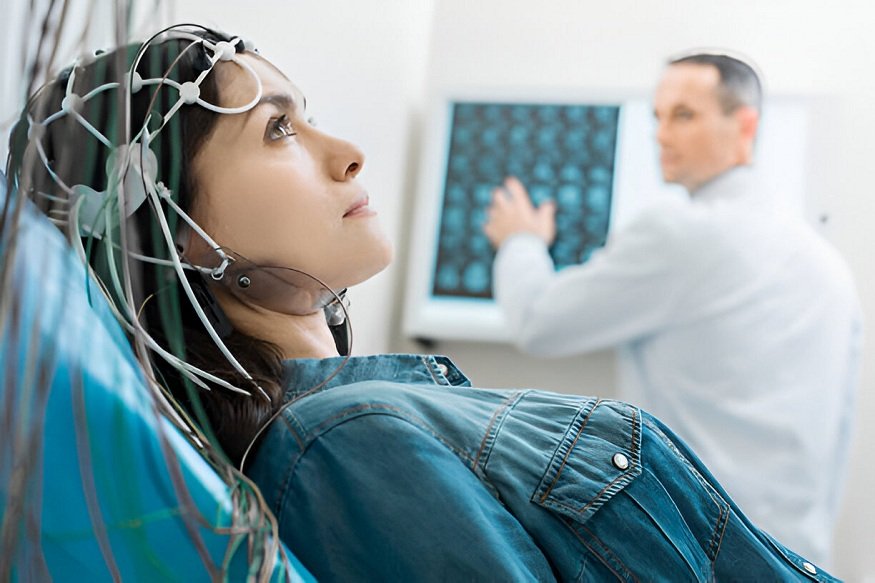
Neuroscience is the scientific field dedicated to understanding the brain, nervous system, and the complex ways in which they influence human thoughts, emotions, behaviors, and physical responses. The brain is involved in almost every aspect of daily life, from memory and learning to decision-making, emotional regulation, relationships, and reactions to stress. As researchers continue to learn more about how the brain works, this knowledge is also changing the way mental health professionals understand and treat psychological challenges. This has contributed to growing interest in neuroscience based mental health treatment program.
Importance of neuroscience based mental health treatment program
Mental health is an essential part of overall well-being. It affects the way individuals think, feel, behave, communicate, form relationships, make decisions, and respond to challenges. When mental health is affected, these areas of life can also become difficult to manage. Conditions such as depression, anxiety, trauma-related disorders, addiction, attention difficulties, and cognitive problems can influence both emotional and physical functioning.
Read More: Restore Damaged Teeth with Modern Dental Crown Treatments
Neuroscience based mental health treatment program provides an opportunity to examine these difficulties from a deeper biological perspective. Instead of concentrating only on outward symptoms, researchers can investigate the neurological processes that may contribute to certain patterns of thought, emotion, and behaviour. Studying brain networks, neurotransmitters, stress responses, and patterns of neural activity can provide additional information about how mental health conditions develop and why people may respond differently to particular treatments. This growing understanding is helping shape a more comprehensive approach to mental health care. Rather than viewing psychological difficulties through a single lens, neuroscience can be combined with psychological, behavioral, social, and physical health information. Such an integrated approach can provide professionals with a broader picture of an individual’s needs.
One of the major contributions of neuroscience is its potential to support personalized treatment. People who receive the same mental health diagnosis do not necessarily experience the condition in exactly the same way. Their symptoms, life experiences, stress levels, biological characteristics, coping abilities, and responses to treatment may vary considerably. For example, two individuals experiencing anxiety may both struggle with excessive worry, but the factors contributing to their symptoms may be very different. One person may have developed heightened stress responses following prolonged exposure to stressful situations, while another may have difficulties connected to sleep, learned behavioral patterns, or other biological and environmental influences. Treating both individuals in exactly the same way may therefore not produce identical results.
Neuroscience encourages professionals to consider these differences. By combining information about brain function with clinical observations and a person’s history, treatment can potentially become more individualized. This may help healthcare professionals identify appropriate therapeutic strategies and monitor changes over time.
Read More: Pediatric Eye Care: Common Vision Problems in Children Every Parent Should Know
For years, mental health treatments have involved a degree of trial and error. A medication or therapeutic approach may work well for one person but provide limited benefits for another. Side effects, individual biology, previous treatment experiences, lifestyle factors, and the severity of symptoms can all influence outcomes. Advances in neuroscience are helping researchers investigate what happens within the brain during different mental health conditions and throughout the treatment process. Brain imaging, studies of neural networks, and research into brain chemistry and stress systems are contributing to a more detailed understanding of mental health. Although neuroscience does not provide a single solution for every condition, it can add valuable biological information to existing clinical approaches.




Leave a Reply
You must be logged in to post a comment.